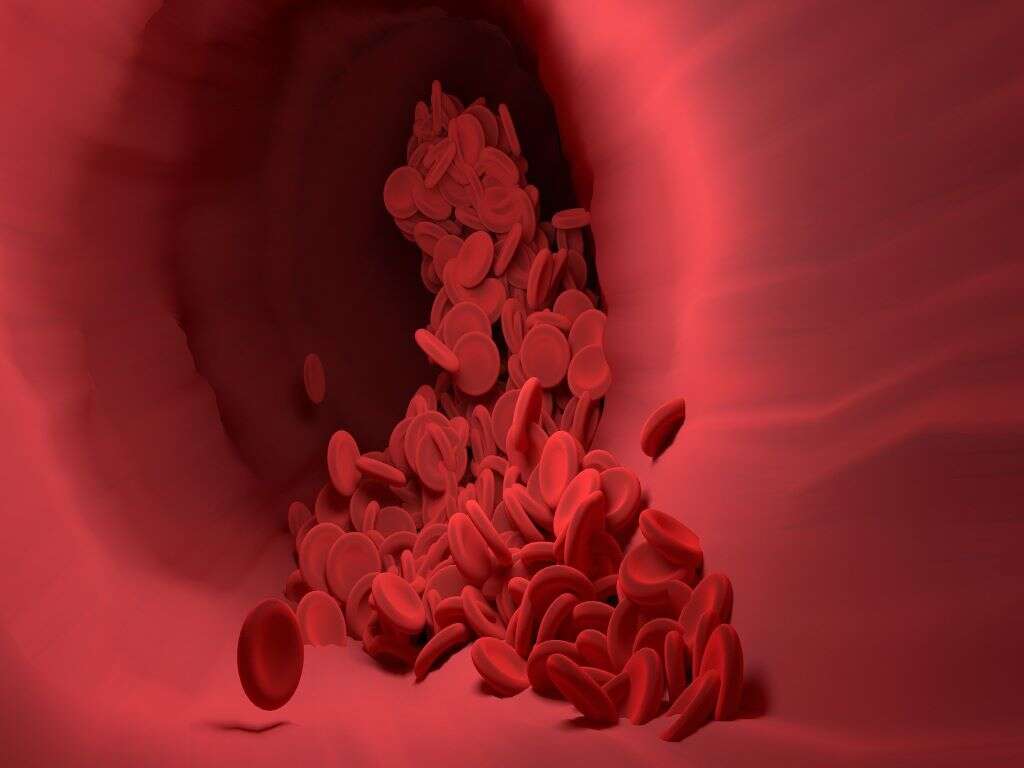
10 Internal Bleeding Symptoms


1. Dark Stools
The dark color of the stools is given to them by a unique pigment called coprobilinogen that is located in our gastrointestinal tract. The color of the stools may vary slightly from person to person. Nevertheless, healthy stools should have a brown or similar color. Many conditions may alter the color of the stools, causing them to become pale or dark brown almost like coffee.
Dark stools that resemble the color of coffee are a sign of bleeding in the gastrointestinal (GI) tract. The origin of the bleeding is usually in the upper GI tract, which might involve the stomach, esophagus, or duodenum. As the blood gets degraded in the GI tract, it turns from the usual red color that we are familiar with into a dark brown, almost blackish color that we see in the stools of patients with an upper GI hemorrhage.