Rectal Prolapse Symptoms, Causes and More

 Article Sources
- 1. ‘Rectal Prolapse Expanded Version.’ ASCRS, fascrs.org/patients/diseases-and-conditions/a-z/rectal-prolapse-expanded-version
- 2. ‘Rectal Prolapse: Treatment, Diagnosis, Causes & Symptoms.’ Cleveland Clinic, my.clevelandclinic.org/health/diseases/14615-rectal-prolapse#:~:text=Is rectal prolapse just another, the anus and lower rectum
- 3. Jan Rakinic, MD. ‘Rectal Prolapse Treatment & Management: Approach Considerations, Nonoperative Management, Surgical Options.’ Medscape, 24 July 2020, emedicine.medscape.com/article/2026460-treatment
- 4. Trompetto, Mario, et al. ‘Altemeier’s Procedure for Complete Rectal Prolapse; Outcome and Function in 43 Consecutive Female Patients.’ BMC Surgery, BioMed Central, 3 Jan. 2019, bmcsurg.biomedcentral.com/articles/10.1186/s12893-018-0463-7#:~:text=Altemeier’s procedure is one of the pouch of Douglas
Prevention
Prevention of rectal prolapse may not be possible. Maintaining good intestinal health may reduce the risk of developing this condition. Specifically, making lifestyle choices that help prevent constipation may help a person avoid rectal prolapse.
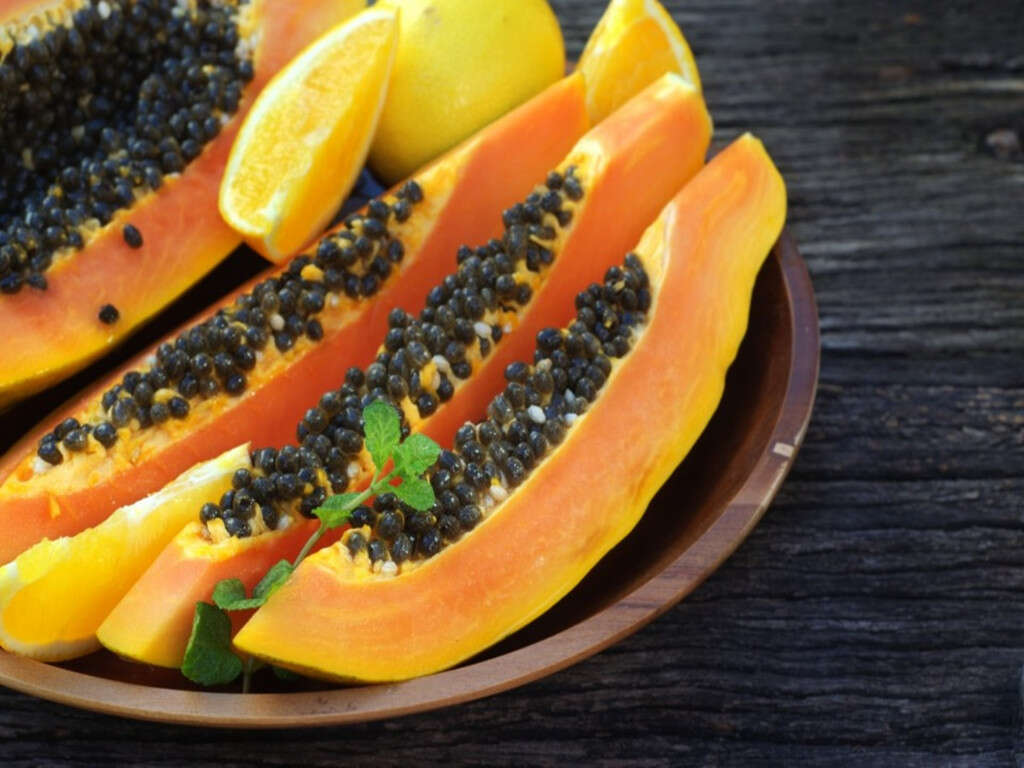
Doctors may advise people to include high-fiber foods in their diets, such as vegetables, fruits, legumes and bran. Health care professionals also encourage people to reduce their intake of processed foods. It's also advisable to drink plenty of water, exercise regularly and reduce stress through relaxation techniques such as meditation.
Advertisement